Overview
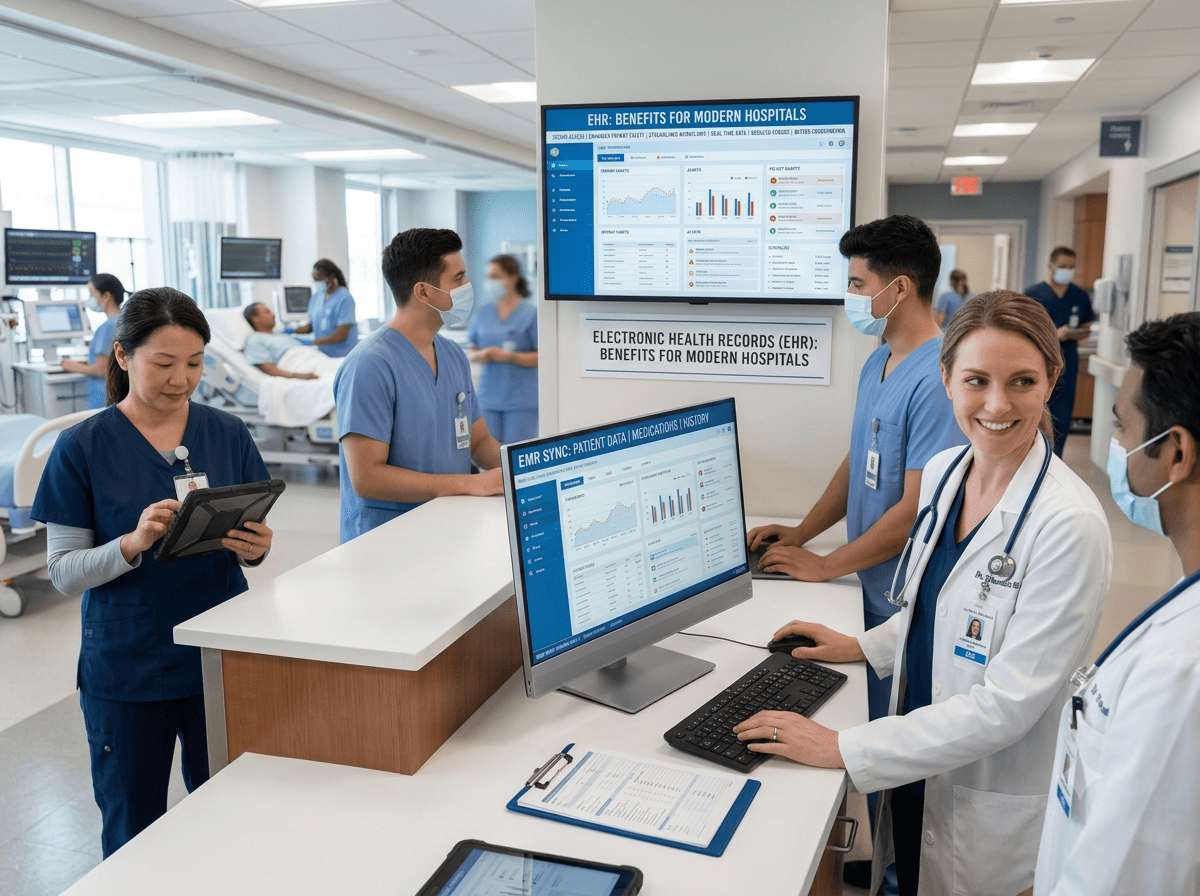
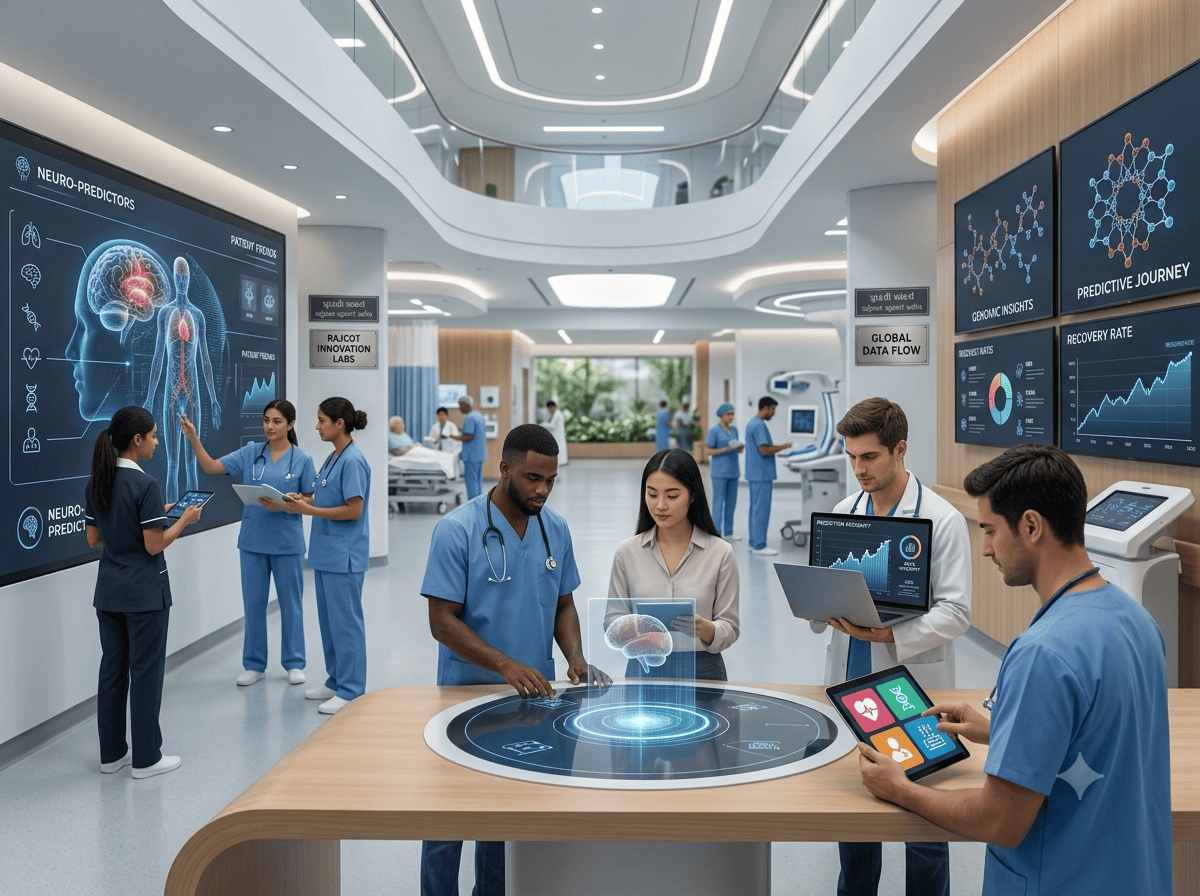
Artificial intelligence is becoming an increasingly important technology in modern healthcare. Hospitals generate and manage large amounts of information, including medical images, patient records, laboratory results, and operational data. AI can help healthcare organizations process this information and support professionals in different areas.
AI is not simply about replacing doctors or nurses. In many applications, its role is to assist healthcare professionals by identifying patterns, organizing information, automating routine tasks, and providing additional insights.
Key Ways AI Is Changing Hospitals
1. Supporting Medical Imaging
AI systems can analyze medical images and help identify patterns that may require further attention. Applications can include areas such as radiology and other forms of medical imaging.
These systems are generally intended to support trained healthcare professionals rather than replace clinical judgment.
2. Improving Patient Monitoring
AI can help analyze patient information and identify changes that may require attention. In appropriate settings, systems can process data from monitoring equipment and alert healthcare teams to potentially important changes.
This can help staff prioritize patients and respond more efficiently.
3. Reducing Administrative Work
Hospitals handle many administrative activities, including scheduling, documentation, billing-related processes, and information management.
AI and automation can assist with suitable repetitive tasks, potentially reducing administrative workload and allowing healthcare professionals to spend more time on patient-facing activities.
4. Supporting Clinical Decisions
AI can process large amounts of medical information and provide insights that may help healthcare professionals evaluate patients.
For example, AI systems may assist with analyzing clinical information or identifying patterns associated with particular conditions. Final decisions should remain with appropriately qualified healthcare professionals.
5. Personalized Healthcare
Different patients can respond differently to treatments and healthcare interventions. AI can help analyze patient information to identify patterns that may support more individualized approaches to care.
The usefulness of such systems depends on the quality, relevance, and completeness of the data being analyzed.
6. Drug and Medical Research
AI can also support healthcare research by helping researchers analyze large datasets, identify potential relationships, and explore possible treatments or medical discoveries.
This can help researchers handle complex information more efficiently, although scientific validation remains essential.
Benefits of AI in Hospitals
AI can potentially provide several benefits:
- Faster analysis of large amounts of information
- Support for healthcare professionals
- Automation of repetitive administrative work
- Improved workflow efficiency
- Assistance with medical image analysis
- More data-driven decision-making
- Support for medical research
However, the benefits depend on how accurately, safely, and responsibly AI systems are implemented.
Challenges of Using AI in Healthcare
Healthcare is a high-stakes environment, so AI adoption requires careful consideration.
Data Privacy
Patient information is highly sensitive. Hospitals need appropriate safeguards to protect medical data and control access to AI systems.
Accuracy and Reliability
AI systems can make mistakes. Healthcare professionals need to understand the limitations of AI-generated results and verify important information before making clinical decisions.
Bias
AI systems can produce less reliable results if the data used to develop or evaluate them does not adequately represent the populations in which they are used.
Human Oversight
AI should generally support rather than eliminate professional responsibility. Doctors, nurses, and other qualified professionals remain important for understanding patient circumstances and making clinical judgments.
The Future of AI in Hospitals
AI is likely to become more integrated into hospital workflows as technology improves. Future systems may provide stronger support for medical imaging, documentation, patient monitoring, research, and operational management.
However, successful adoption will require more than advanced algorithms. Hospitals will also need reliable data, appropriate infrastructure, cybersecurity, staff training, clear policies, and responsible oversight.
Conclusion
Artificial intelligence is changing hospitals by supporting medical analysis, patient monitoring, administrative processes, clinical decision-making, and research. Its greatest potential lies in helping healthcare professionals handle information and repetitive tasks more efficiently.
AI should be viewed as a support technology rather than a replacement for human expertise. With appropriate safeguards, validation, and professional oversight, AI can become an important part of the future of healthcare while keeping patient safety and quality of care at the center.