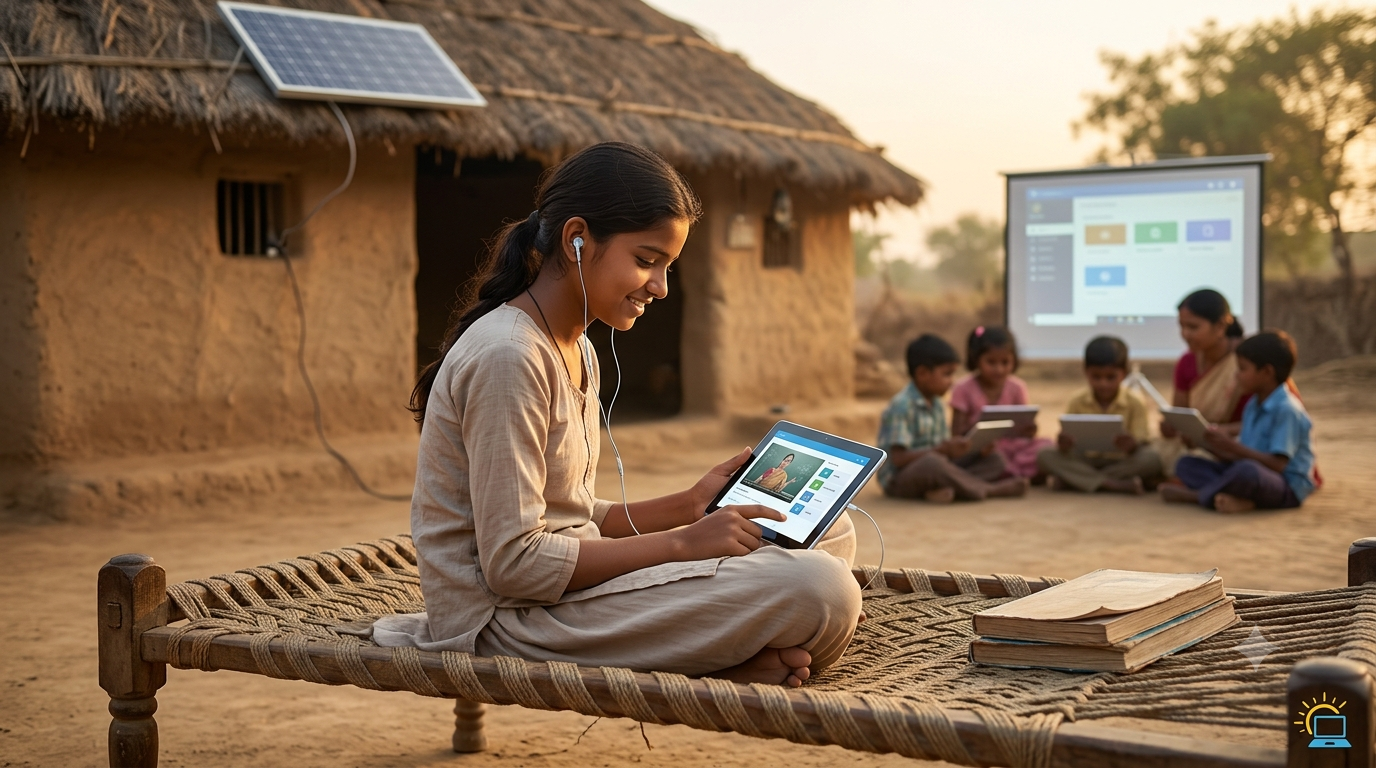
Overview
Technology is changing how students learn and how teachers deliver education across India. Digital tools have expanded learning beyond traditional classrooms, allowing students to access educational content through smartphones, computers, tablets, and online platforms.
From virtual classrooms and educational applications to digital libraries and AI-powered learning tools, technology is creating new opportunities for students and educational institutions. At the same time, challenges such as internet access, affordability, digital skills, and responsible technology use remain important.
Key Ways Technology Is Transforming Education
1. Growth of Online Learning
Online learning platforms allow students to access lessons, courses, tutorials, and educational resources from different locations. This can be particularly useful for students who cannot easily access specialized educational resources locally.
Students can also learn at their own pace, revisiting lessons when they need additional understanding.
2. Digital Classrooms
Schools and colleges are increasingly using digital tools to support classroom teaching. Projectors, interactive displays, educational software, online assignments, and digital resources can make lessons more interactive.
These tools can complement traditional teaching rather than completely replacing face-to-face instruction.
3. Educational Apps
Mobile applications provide students with convenient access to study materials, practice exercises, quizzes, language learning, and other educational resources.
Because smartphones are widely used, mobile-based learning can provide an additional way for students to study outside school or college hours.
4. Artificial Intelligence in Education
AI can support personalized learning by analyzing student performance and helping identify areas where additional practice may be useful.
AI-based tools can also assist teachers with certain administrative and educational tasks. However, these tools should complement teachers rather than replace human guidance and judgment.
5. Access to Digital Resources
Students can access a wide range of online resources, including digital books, research materials, educational videos, simulations, and open learning resources.
This gives learners opportunities to explore subjects beyond the materials available in a traditional classroom.
6. Better Communication
Technology has made communication between students, teachers, parents, and educational institutions easier. Digital platforms can be used for announcements, assignments, feedback, schedules, and other academic communication.
This can help keep everyone informed and connected.
Challenges of Technology in Indian Education
Technology does not benefit every student equally. Differences in internet connectivity, device availability, affordability, and digital skills can create a digital divide.
There are also concerns related to online safety, privacy, distractions, misinformation, and excessive screen time. Teachers and institutions therefore need appropriate policies and digital literacy programs to ensure technology is used effectively.
The Role of Teachers
Technology is changing the role of teachers rather than making teachers unnecessary. Teachers continue to provide guidance, explain difficult concepts, encourage critical thinking, evaluate learning, and support students emotionally and academically.
Digital tools can help teachers access resources and understand student progress, but human interaction remains an important part of education.
What Does the Future Look Like?
Education in India is likely to become increasingly blended, combining traditional classroom teaching with digital learning. AI, interactive content, online resources, and personalized learning systems may become more common.
The focus will need to remain on educational outcomes rather than technology itself. A digital tool is valuable when it genuinely helps students understand concepts, develop skills, and achieve their learning goals.
Conclusion
Technology is creating significant changes in Indian education by making learning resources more accessible, supporting digital classrooms, improving communication, and introducing new approaches such as AI-powered learning.
However, technology alone cannot solve every educational challenge. Expanding digital access, improving digital skills, protecting students online, and supporting teachers will be essential for ensuring that technological progress benefits learners across India.
When used thoughtfully, technology can complement traditional education and create more flexible and engaging learning opportunities for students.